
Heat Face Rozier Salary Cap Limbo as NBA Delays Decision
The Miami Heat remain stuck in salary cap uncertainty as the NBA delays ruling on Terry Rozier's contract status, limiting roster moves heading into trade season.
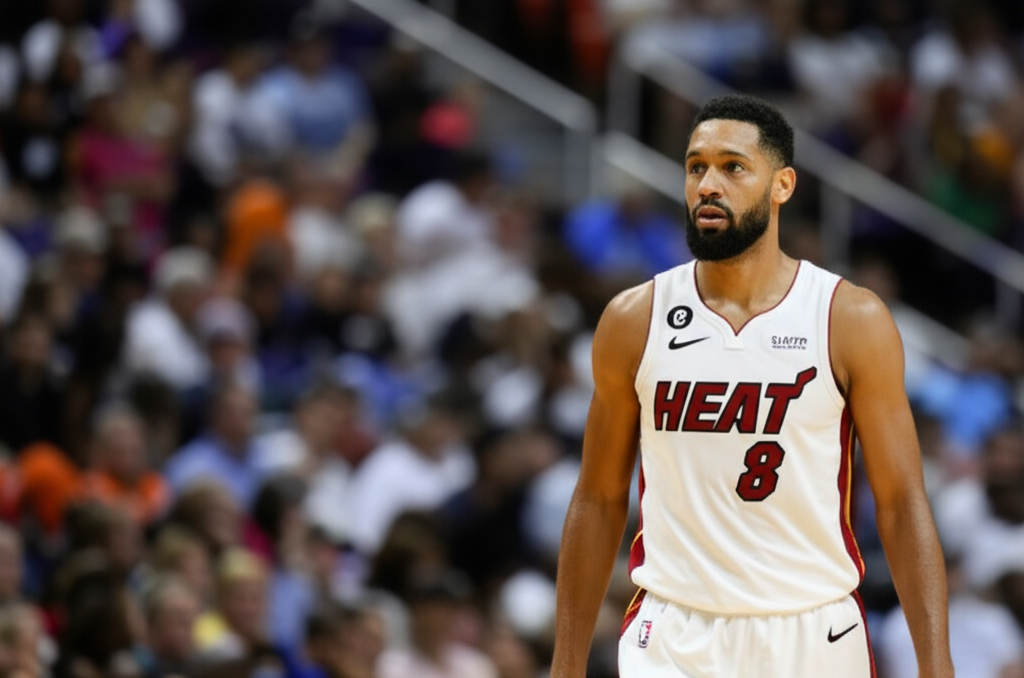
Terry Rozier sits in basketball purgatory, and the Miami Heat are stuck waiting right alongside him.
The NBA has yet to provide clarity on Rozier’s contract situation following his stint in the league’s health and safety protocols, leaving the Heat in salary cap limbo as trade season approaches. The uncertainty has handcuffed Pat Riley’s front office at a critical juncture, with the February trade deadline looming and playoff positioning on the line.
Rozier, who joined Miami in a February 2024 trade from Charlotte, has been dealing with ongoing contract complications that stem from his previous team’s salary cap calculations. The league office has been reviewing the situation for weeks, but Commissioner Adam Silver’s administration has yet to issue a definitive ruling on how Rozier’s $24.9 million salary should be classified for cap purposes.
“We’re operating in good faith that everything will be resolved appropriately,” a Heat spokesperson said. “But it would certainly help our planning to have definitive answers.”
The delay creates real consequences for a Heat organization that prides itself on aggressive roster management. Miami currently sits in the middle of the Eastern Conference playoff race, and the front office typically uses this time of year to evaluate potential moves that could bolster their postseason chances.
Rozier’s production when healthy has justified the trade that brought him from Charlotte to South Beach. The 6-foot-1 guard averaged 16.4 points and 4.2 assists through his first 20 games in a Heat uniform last season, providing the secondary scoring punch Miami desperately needed alongside Jimmy Butler and Bam Adebayo.
But the contract confusion clouds everything. The Heat’s ability to make moves depends heavily on knowing exactly where they stand relative to luxury tax thresholds and salary cap restrictions. Without clarity on Rozier’s status, Riley and his staff are essentially operating with incomplete information.
The situation mirrors broader concerns about the NBA’s administrative efficiency that have frustrated teams across the league. Front offices invest significant resources in salary cap planning, but delays in league decisions can undermine months of preparation.
For Heat fans packing into Kaseya Center in downtown Miami, the behind-the-scenes contract drama might seem trivial compared to what happens on the court. But these salary cap machinations directly impact the team’s ability to improve the roster and chase championship aspirations that have defined the organization since Riley’s arrival.
The Heat’s championship culture, built through three titles in the Big Three era and sustained through developmental success stories, depends on front office flexibility. When the league office creates uncertainty, it limits the aggressive roster management that has become synonymous with Miami basketball.
Other successful sports organizations across South Florida understand the importance of front office clarity. The Dolphins’ recent struggles have highlighted how roster construction impacts on-field success, while the Heat have historically maximized their resources through shrewd cap management.
Rozier himself remains focused on basketball while the administrative questions swirl around him. The veteran guard has dealt with trade rumors and contract situations throughout his eight-year career, developing the mental toughness to compartmentalize business decisions from basketball performance.
His teammates have rallied around that approach, understanding that professional sports inevitably involve financial complexities that extend beyond what happens between the lines. Butler, who has navigated his own share of contract situations, has emerged as a vocal supporter of maintaining team chemistry despite external distractions.
The Heat’s coaching staff, led by Erik Spoelstra, has emphasized preparation and professionalism while the front office handles the administrative challenges. Spoelstra’s championship experience includes managing roster uncertainty, and his steady leadership provides stability during periods of front office complexity.
Miami’s player development system, which has transformed overlooked prospects into valuable contributors, could benefit from salary cap clarity that enables strategic roster additions. The Heat’s ability to identify and develop talent works best when complemented by targeted veteran acquisitions.
The NBA’s delay in resolving Rozier’s situation reflects broader challenges within the league’s administrative structure. Teams invest heavily in salary cap expertise, but those investments lose value when the league office fails to provide timely decisions on critical matters.
For Riley, who has built his reputation on decisive roster management, the waiting game represents a frustrating departure from normal operations. The Heat president has orchestrated some of the most significant moves in franchise history, but those decisions require accurate information about salary cap implications.
As the trade deadline approaches, the Heat’s championship aspirations hang partially in the balance of an administrative decision that should have been resolved weeks ago. Miami’s ability to pursue roster improvements depends on knowing exactly where they stand financially.
The resolution, whenever it comes, will determine whether the Heat can operate with full flexibility or face restrictions that limit their options. For a franchise built on maximizing every advantage, the uncertainty represents more than just administrative inconvenience—it threatens the aggressive approach that defines Miami basketball.
The Heat return to action Tuesday night against Orlando, where Rozier’s on-court contributions remain valuable regardless of the contract complications surrounding his situation.