
Florida Tourism Surges as South Florida Hotels See Record Rates
Florida's tourism industry continues year-over-year growth with South Florida leading the charge as hotels from Miami Beach to Fort Lauderdale report strong occupancy.
Florida’s tourism industry posted another quarter of year-over-year growth, with South Florida properties from Miami Beach to West Palm Beach driving much of the state’s momentum through higher occupancy rates and record average daily rates. The growth comes as electric RV tourism tests Florida’s infrastructure and sustainable travel options expand.
The latest numbers reflect what hospitality professionals across the tri-county area have been experiencing firsthand — steady demand that’s allowed hotels to maintain premium pricing while cruise lines continue packing ships departing from PortMiami and Port Everglades.
“We’re seeing consistent occupancy in the mid-80s, even during what used to be shoulder season,” said Maria Rodriguez, general manager of a luxury property in Bal Harbour. “The guest mix has evolved too — more extended stays from remote workers, plus the traditional snowbird season that now starts earlier and runs later.”
The growth comes as South Florida’s hospitality sector has fully recovered from pandemic-era disruptions, with new properties opening across the region while established hotels complete major renovations to capture higher rates. From the Four Seasons at The Surf Club in Surfside to boutique properties in Wynwood, operators report pricing power that didn’t exist five years ago.
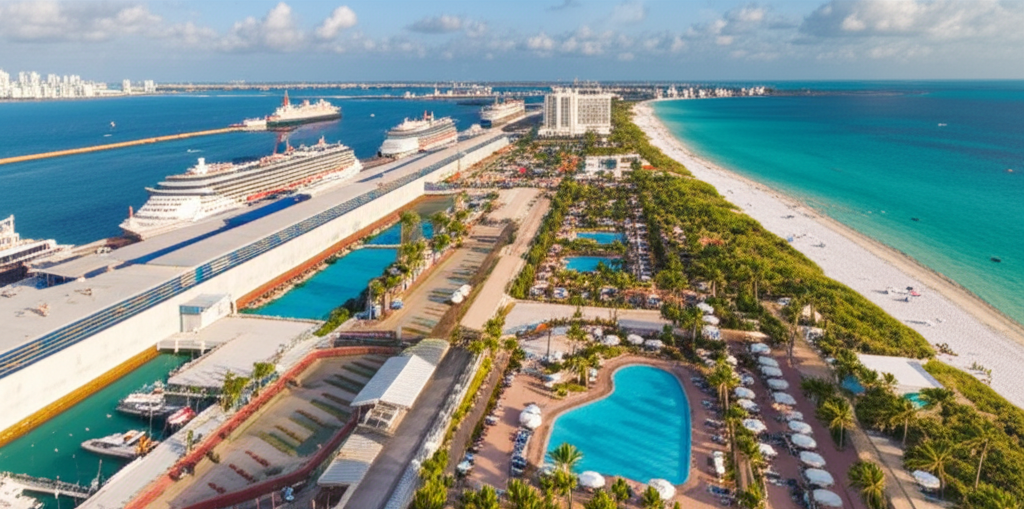
Cruise operations at PortMiami, the world’s busiest cruise port, continue supporting the broader Travel & Hospitality ecosystem as passengers extend their stays for pre- and post-cruise experiences. Port Everglades has similarly benefited from increased cruise capacity, with new ships bringing larger passenger volumes to Fort Lauderdale area hotels and attractions.
The Florida Keys have emerged as a particular bright spot, with operators reporting some of the strongest performance in the state. Limited inventory from Hurricane Irma recovery, combined with increased demand for drive-to destinations, has created a seller’s market for Keys properties from Key Largo to Key West.
“What we’re seeing in the Keys is unprecedented,” explained Tom Harrison, a hospitality consultant who tracks Florida markets. “Average daily rates that were $200 pre-pandemic are now pushing $400 during peak periods, and guests are booking further in advance.”
The growth extends beyond luxury properties. Mid-scale hotels along Federal Highway in Fort Lauderdale and along Collins Avenue in Miami Beach report occupancy levels that allow them to be selective about group bookings and corporate rates. Extended-stay properties in Aventura and Coral Gables have benefited from remote workers choosing South Florida for months-long stays.
Several factors support the continued momentum. International travel has returned to pre-pandemic levels, with Miami International Airport reporting record passenger volumes. The cruise industry’s return to full capacity brings millions of visitors annually to South Florida ports. New airline routes and increased flight frequency make the region more accessible from key markets.
Real estate development has also played a role, as new residential towers in Brickell and luxury condos in Sunny Isles create demand for high-end hotel services and dining. The hospitality sector benefits when these developments attract affluent residents and their visiting guests.
However, the growth creates challenges. Labor costs have increased significantly as hotels compete for experienced staff. Property insurance rates in Florida have risen substantially, adding operational pressure. Some operators worry about overbuilding in certain submarkets, particularly in the luxury segment.
“The fundamentals are strong, but we need to be realistic about cost pressures,” noted Carlos Mendez, who operates three properties in Doral. “Insurance, labor, and utilities are all up significantly. The rate growth helps, but margins require careful management.”
Seasonal patterns have also shifted. Traditional low seasons in summer and early fall now show stronger performance, partly due to domestic travelers taking advantage of lower rates and better availability. Hurricane season still impacts bookings, but the effect appears less pronounced than in previous years.
The Florida Keys face unique considerations with infrastructure limitations and environmental concerns affecting development. Monroe County’s growth management controls mean inventory remains constrained even as demand increases, supporting premium pricing but limiting overall room supply.
Looking ahead, several developments could sustain the growth trajectory. New hotel openings planned for downtown Miami and Las Olas in Fort Lauderdale will add inventory in prime locations. Cruise lines have announced additional ship deployments at both PortMiami and Port Everglades for 2024 and beyond.
The completion of major infrastructure projects, including improvements to I-95 and expansion at Fort Lauderdale-Hollywood International Airport, should support increased visitation. New attractions and entertainment venues planned across South Florida provide additional draw for leisure travelers.
For travelers, the growth means planning ahead becomes more critical. Popular properties book further in advance, and rates during peak periods reflect strong demand. However, the expansion of supply in certain submarkets may create opportunities for deals, particularly during traditionally slower periods.
The shoulder seasons — late spring and early fall — offer the best balance of availability, rates, and weather for visitors willing to avoid peak winter months. Extended-stay options have expanded significantly, making South Florida more accessible for longer visits.
Operators emphasize that success requires constant attention to the guest experience as competition intensifies. Properties that invested in renovations and technology during the pandemic recovery appear best positioned for continued growth, while those that deferred maintenance face pressure to upgrade or risk losing market share in an increasingly competitive environment. For more travel coverage, follow Shawn Griner.